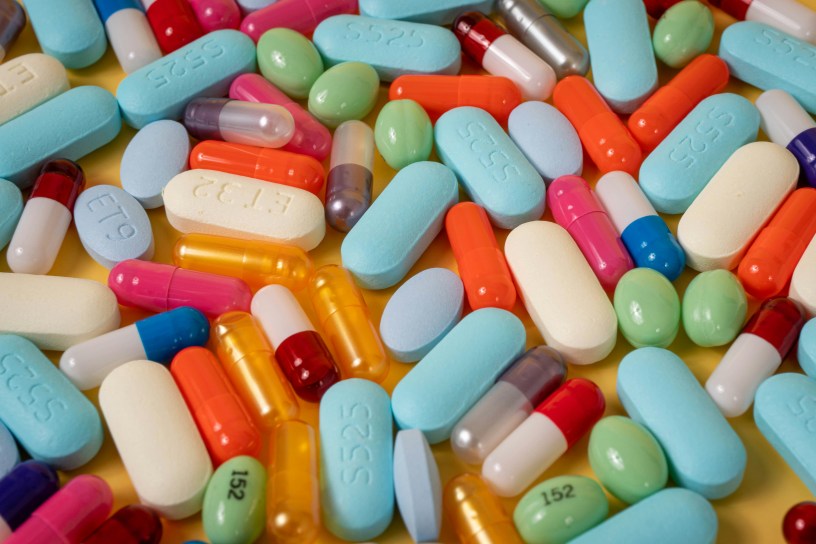
Improper disposal of medicines can lead to harmful chemicals in waterways and drinking water. According to the US Environmental Protection Agency (EPA), pharmaceuticals thrown in the trash can contaminate water supplies via landfill leachate. Leachate is contaminated liquid produced when rain or other water enters a landfill and interacts with the waste–think of it as a sort of nasty garbage tea. Modern landfills have collection systems for leachate, but the US EPA site linked above says “Collected landfill leachate is generally sent to wastewater treatment operations where, despite being treated for many pollutants, the pharmaceuticals typically pass through and are discharged to surface water.” Similarly, if you dispose of unwanted medicine by pouring it down the drain or flushing it down the toilet (as we were encouraged to do once upon a time), those medicines will end up at the local wastewater treatment plant and ultimately be discharged to surface water. Once in our waterways, all such improperly disposed medicines combine into a chemical cocktail that can have a variety of negative impacts on wildlife, plants, and even human health. Antibiotics, for example, could be poisonous to aquatic plants. Some drugs have been shown to impact animal fertility and even cause male fish to exhibit female characteristics. Some pharmaceuticals don’t readily break down in the environment and can instead bioaccumulate, or become concentrated in the bodies of living things. The US EPA website provides a summary of the potential impacts of pharmaceuticals in the environment on ecosystems and human health (including the ones I listed), with links to relevant scientific journal articles.
Luckily, there are collection programs that allow for safe and convenient disposal of unwanted medications. The US Drug Enforcement Administration (DEA) coordinates National Prescription Drug Take Back Day twice a year (in April and October) to highlight responsible disposal options and educates the public about the potential for abuse of medications. The next National Prescription Drug Take Back day is April 25, 2026. Year-round collection boxes are also available at pharmacies and law enforcement agencies. Pre-paid mail-back envelopes are a convenient option for those in rural areas where drop-off locations might be scarce, or for those who are homebound due to illness or age. In Illinois, the Drug Take-Back Act entitles every county to at least one medication collection location per 50,000 residents, financed by pharmaceutical manufacturers. The locations accept controlled and non-controlled substances free of charge. Visit https://medtakebackillinois.org/ to find a site near you or request a mail-back envelope. Collected drugs are transported to permitted incinerators for destruction. If you’re outside of Illinois, check out the US EPA page on What to Do with Unwanted Household Medicines. That page describes the different types of take-back programs, with links to the DEA website to help you find options in your area. It also describes how to prepare unwanted medicines for disposal in the trash in ways that minimize risks, in the event that there aren’t any take-back options available near you. You might also be interested in the EPA’s frequently asked questions about collected household medicines.

