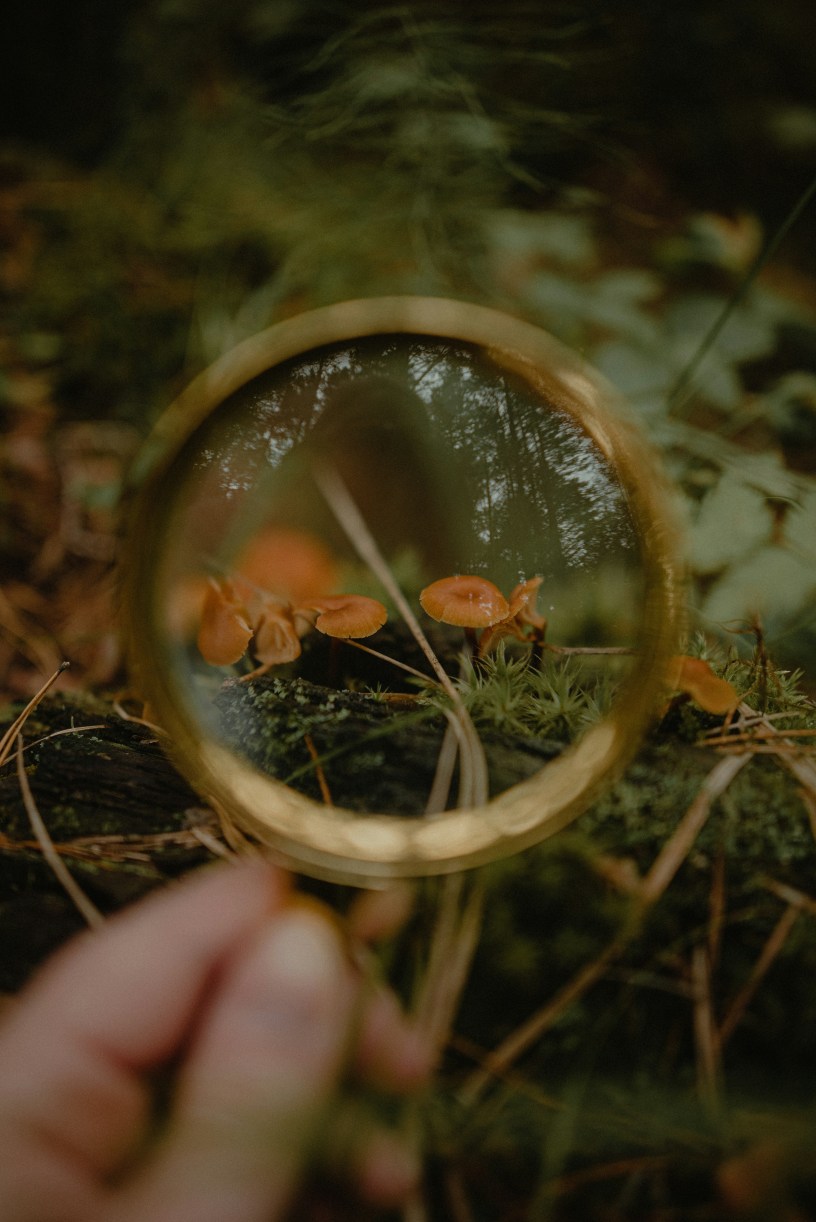
According to Wikipedia, ‘Citizen science is research conducted with the participation of the general public, amateur or nonprofessional researchers, or participants from the fields of science, social science, and many other disciplines. The exact definition of “citizen science” varies, with different individuals and organizations having their own specific interpretations of its scope.’ In other words, it’s public engagement in the scientific process. Personally, I think citizen science is important because it encourages non-scientists and amateurs to be curious about the world around them (which relates to open-mindedness), to learn more about science and the scientific process, to understand and trust scientists, and be involved in positive efforts for the greater good of society. What’s not to like? Citizen science projects also lend themselves well to formal and informal STEM education efforts, and as someone who has been interested in science since I was a child, it does my heart good to think of other young people falling in love with science. They’re the next generation of innovators and dedicated professionals who will work to make life better for everyone.
April is Citizen Science Month, a global celebration of public participation in scientific research. I think it’s appropriate that Citizen Science Month coincides with Earth Month, because participating in citizen science gets you out into nature, and fosters your appreciation of our shared environment. We protect what we care about, and by being in nature and observing it closely, we learn to love it, and of course, the data you contribute to some citizen science projects could help protect the environment. So, I wanted to take a few minutes to highlight some citizen science projects and resources that might encourage you to participate.
The Illinois Natural History Survey (INHS) and the IL Coastal Management Program host the CoastSnap Citizen Science Project at Winthrop Harbor. CoastSnap is a community beach monitoring project that turns your photos and the repeated photos of others at the same location into valuable data coastal scientists can use to understand and forecast how coastlines might change in the coming decades due to climate change, erosion, and other factors. A technique called photogrammetry enables the position of the coastline to be pinpointed from the photos taken by citizen scientists to an accuracy similar to that of professional coastal survey teams. You can download the CoastSnap Citizen Science App on Google Play or in the Apple App Store, and visit the Winthrop Harbor site in northern IL to participate.
Marine Debris Tracker allows citizen scientists to contribute data on plastic pollution in their communities. According to their website, “We’ve been tracking litter since before smartphones existed, and we’re still driven by uniting technology and citizen science to fight plastic pollution. Every day, dedicated educational, non-profit, and scientific organizations and passionate citizen scientists from all around the world record data on inland and marine debris with our easy-to-use app, contributing to our open data platform and scientific research. Together, we can create a bigger picture of marine debris and plastic pollution through collecting open data, generating scientific findings, informing policy, and inspiring upstream design.” You don’t have to live near an ocean to participate, because inland bodies of water all flow to the ocean eventually, so plastic pollution in those water bodies can end up in our seas. Again, this project involves downloading an app to your smartphone. The app includes lists of types of litter (not just plastic), which you can use to log the debris you witness. View this video to help you get started: https://youtu.be/LzobdbAckws?si=T42TUhhWa1NjBVpx.
iNaturalist is an online community that allows you contribute data to support a variety of biodiversity-related projects, again via a mobile app. You can also use the app to track your own encounters with various organisms if observing nature is part of a personal hobby (e.g., think of birders’ life lists). You can also discuss your findings with other users.
Zooniverse is “the world’s largest platform for people-powered research. We connect professional researchers with millions of volunteers worldwide. Facilitating real results from impractical, or otherwise impossible research. This has led to new discoveries, policy impacts, and research publications.” I first discovered Zooniverse during the COVID-19 pandemic when we were all keeping our distance from others and staying in our homes. It was a great way to feel connected to something larger during that isolation. This platform allows you participate in a wide variety of projects across multiple scientific fields, as well as projects in the arts, history, and literature. You can search for projects by broad category (e.g., “climate,” “medicine,” or “social science”) and there are projects in multiple languages. Some of my favorite projects include “Galaxy Zoo,” in which you help classify images of galaxies based on their shape (you might even be the first person to see some of the images you’re asked to classify!), and “Notes from Nature,” in which you help digitize tags associated with museum specimens. If it’s a rainy day and you want to do something simple but satisfying, you could lose yourself for a few hours exploring and contributing to projects on this platform!
A project of the Chicago Botanical Garden, Budburst allows you to contribute observations about plants and pollinators in your area, to help scientists understand how our environments are responding to climate change. Budburst data is freely available for anyone to view and download, so your efforts could support a wide variety of studies. See https://budburst.org/about-us/publications for a list of journal articles and other publications that have used Budburst data.
For even more projects and resources, check out the following links:
- US Environmental Protection Agency (EPA) Participatory Science
- US National Park Service Citizen Science
- National Geographic: Citizen Science
- International Union for Conservation of Nature (IUCN): Citizen Science
Enjoy your explorations!
 Joy-S-ness