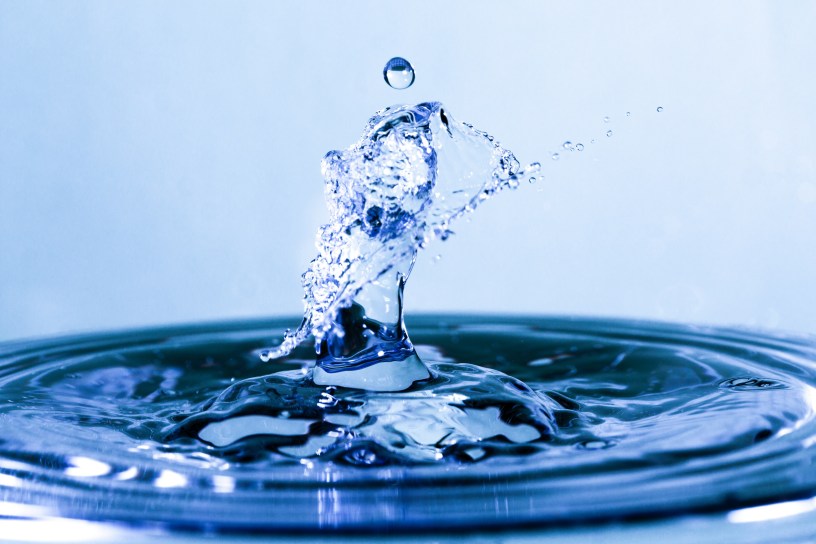
Since 1993, World Water Day has been an annual United Nations Observance focusing on the importance of fresh water. This year’s theme, “Where water flows, equality grows,” highlights the relationship between water and gender. Globally, where people lack access to safe drinking water and sanitation close to their homes, women and girls bear the brunt of the impact. This is because they tend to collect and manage water for their families while simultaneously being left out of decision-making, leadership, funding, and representation.
According to the UN, “in 53 countries with available data, women and girls spend 250 million hours per day on water collection – over three times more than men and boys. In sub-Saharan African countries with data, the nearly 200 million hours per day that women and girls spend on water collection surpasses the total daily work hours of all individuals in the United Kingdom of Great Britain and Northern Ireland.” I know those statistics seem crazy, especially since there are only 24 hours in a day, but they reflect the number of individuals and the number of hours per day those individuals spend on these tasks. That same UN source further states “in 2023, only 27.4 per cent of countries reported successfully implementing gender-related measures under national water management frameworks, a modest increase of approximately 3.5 per cent since 2020. Around 15 per cent of countries have not implemented any gender mainstreaming practices. Indigenous women and other vulnerable groups are particularly marginalized. Only 19 per cent of countries have explicit measures to raise awareness, reduce language barriers and achieve their effective inclusion in decision-making on water resources.” Talk about having outsized responsibility while simultaneously having little or no authority or agency!
You can learn more about World Water Day and this year’s theme at https://www.un.org/en/observances/water-day. This fact sheet is particularly helpful: https://www.un.org/sites/un2.un.org/files/2025/12/wwd2026_factsheet_english.pdf.
Regardless of gender, lack of access to clean water and sanitation across the globe is one of the causes that means a lot to me. Imagine not having access to these basic human rights! One small thing I do is purchase recycled toilet paper from Who Gives a Crap (WGAC), a company that donates 50% of its profits to organizations working on provision of sanitation worldwide. It’s a way to support recycling and combat deforestation by purchasing something I’d need to buy anyway, while simultaneously supporting access to sanitation. Plus, I like the fact that their rolls are wrapped in paper, not plastic, and I enjoy their humor and the fact that they don’t take themselves too seriously. You can check out their impact partners at https://blog.whogivesacrap.org/home/gooddeeds/who-give-a-crap-charity-partners and learn more about their impact at https://us.whogivesacrap.org/pages/our-impact. If you decide you’d like to try them out, use my referral link, https://whogivesacrap.mention-me.com/m/ol/aa2pm-joy-scrogum, to get $15 off your first order.
If you’d like to support clean water and sanitation efforts without buying the toilet paper, links to the impact partner organizations on the WGAC website will help you find out more about them and how to donate to them directly. You might also want to check out this article from Impactful Ninja, “21 Best Charities That Fight for Clean Water (Complete 2026 List)” by Diana Stancu.
 Joy-S-ness